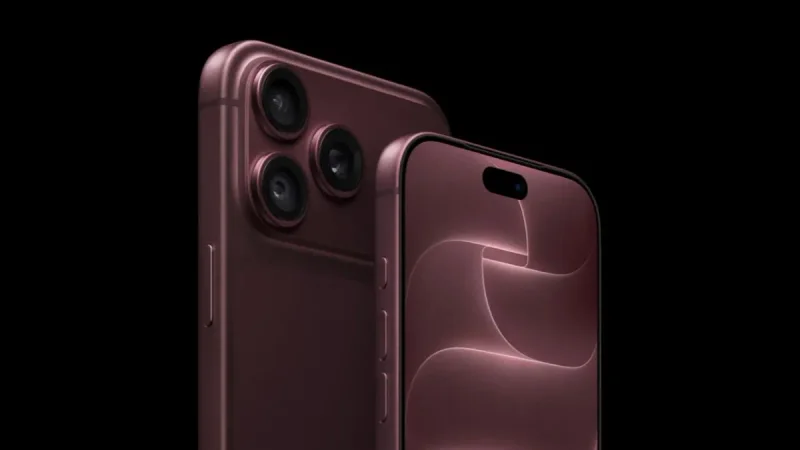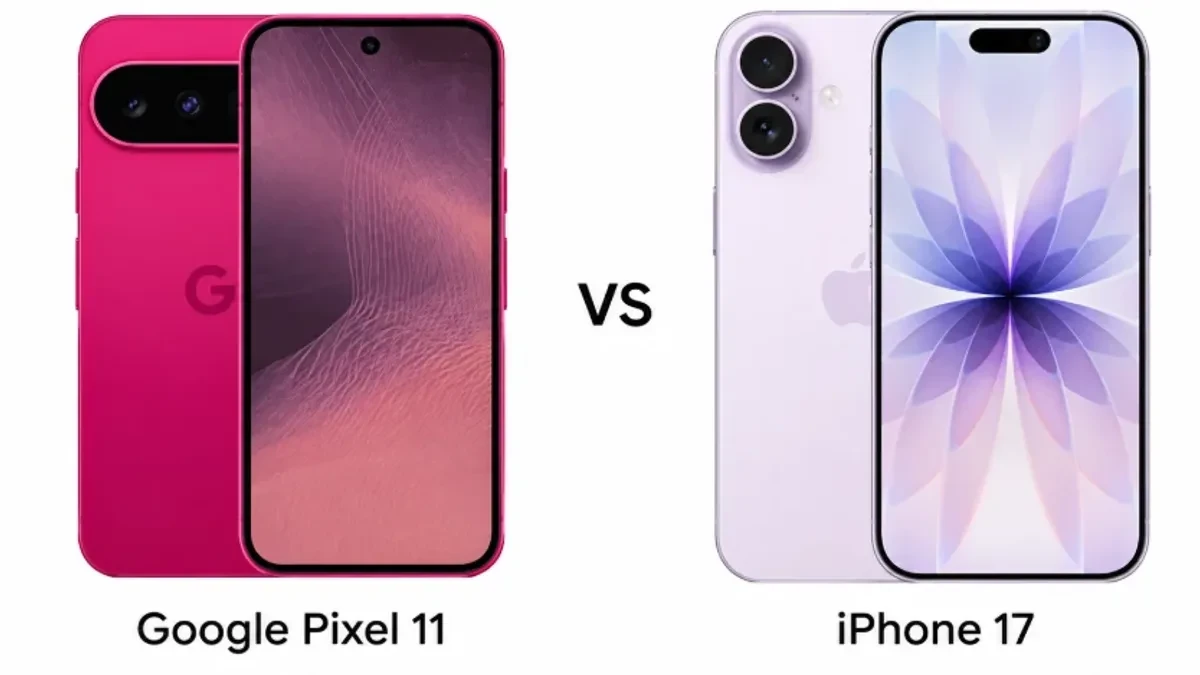
Choosing between the $900 (approx. ₹90,000) Google Pixel 11 and the $800 (approx. ₹83,000) Apple iPhone 17 highlights a fundamental divide in modern flagship smartphones: specialized hardware versatility versus raw processing efficiency. Google targets power users with a dedicated 5x optical telephoto lens, a massive 4,985 mAh battery, and 12GB of RAM optimized for on-device artificial intelligence. Meanwhile, Apple undercuts its rival by $100 while offering superior silicon performance, a sharper LTPO display, and advanced Dolby Vision video capture.
For buyers spending flagship money, picking a winner comes down to daily operational priorities. Google doubles down on functional utility with bypass charging, ultrasonic fingerprint unlocking, and deep Android customization. Apple counters with tight hardware-software integration, class-leading anti-reflective screen coatings, and higher resolution front-facing video systems.
Display Engineering and Biometric Design
Both handsets feature compact 6.3-inch 120Hz OLED screens capable of hitting an impressive 3,000 nits peak brightness, ensuring outdoor readability is never an issue under direct sunlight. However, their underlying panel technologies diverge significantly. The iPhone 17 utilizes an LTPO Super Retina XDR OLED panel with a crisp 1206 x 2622 resolution, Dolby Vision support, and a specialized anti-reflective coating that drastically reduces surface reflections in bright environments. Protecting the display is Apple's Ceramic Shield 2, which offers enhanced drop durability alongside a superior 6-meter water resistance depth rating.
The Pixel 11 employs a 1080p-class OLED screen guarded by Corning Gorilla Glass Victus 2. While it supports HDR10+ content and fluid 120Hz refresh rates, it lacks Apple's glare-reducing optical coating. Where Google strikes back is in biometric preference. The Pixel 11 relies on a rapid ultrasonic under-display fingerprint sensor, providing immediate unlocking access without requiring users to align their face with the screen, contrasting directly with Apple's Face ID facial recognition array.
Performance, Memory Architecture, and Endurance
Under the hood, Apple's 3nm A19 chipset maintains a decisive lead in raw CPU and GPU processing performance over Google's 3nm Tensor G6. For graphics-heavy mobile games and intensive video rendering workflows, the iPhone 17 delivers higher sustained frame rates and efficient thermal management despite shipping with 8GB of RAM.
Google equips the Pixel 11 with 12GB of RAM paired with fast UFS 4.x flash storage. This extra memory buffer is tailored specifically to keep Google's background AI features persistently active in memory without aggressive application closure.
Endurance hardware heavily favors Google's design. The Pixel 11 houses a massive 4,985 mAh battery, giving heavy users strong multi-day potential compared to the 3,692 mAh cell inside the iPhone 17. Google also supports 30W wired charging, 25W magnetic wireless charging, reverse wired charging, and bypass charging. Bypass charging is a crucial feature for mobile gamers, routing incoming power directly to the motherboard to prevent battery heat buildup during extended plugged-in sessions.
Camera Systems: Optical Telephoto vs Cinematic Video
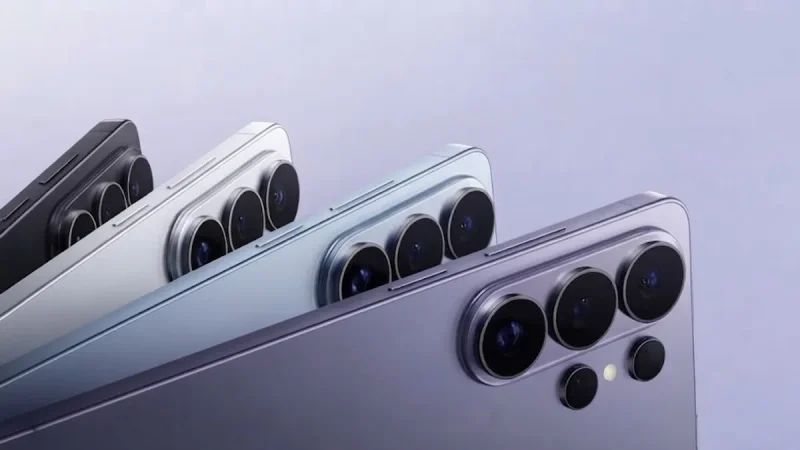
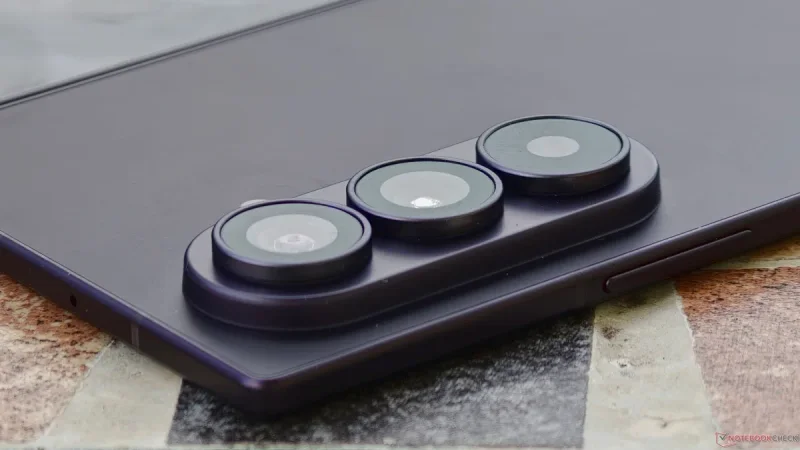
Camera philosophy remains the largest physical separator between these two compact flagships. Google equips the Pixel 11 with a versatile triple-camera setup: a 48MP main sensor, a 13MP ultrawide, and a dedicated 10.8MP telephoto lens with 5x optical zoom. This optical reach allows clear framing across concert halls or street scenes without severe digital crop pixelation.
Apple takes a dual-camera approach on the standard iPhone 17, combining a 48MP main camera with an upgraded 48MP ultrawide lens, entirely omitting a dedicated telephoto module. While sensor-crop handles 2x zoom respectably, it cannot match Google's native 5x optical glass for distant details.
However, Apple dominates the video capture pipeline and front camera performance. The iPhone 17 sports an 18MP multi-aspect selfie camera with 3D spatial audio recording and Dolby Vision HDR at 4K 60fps, making it a noticeably more capable tool for content creators and vloggers than the Pixel 11's 10.5MP front lens.
Pricing and Final Verdict
At $800, the iPhone 17 presents the stronger overall value proposition for mainstream smartphone buyers. It delivers top-tier performance, superior display glass treatment, better selfie video capabilities, and unmatched long-term software integration for $100 less than its direct competitor.
The Pixel 11, priced at $900, justifies its premium specifically for Android enthusiasts and photography purists who demand native 5x optical zoom, larger battery capacity reserves, and versatile power features like bypass charging.