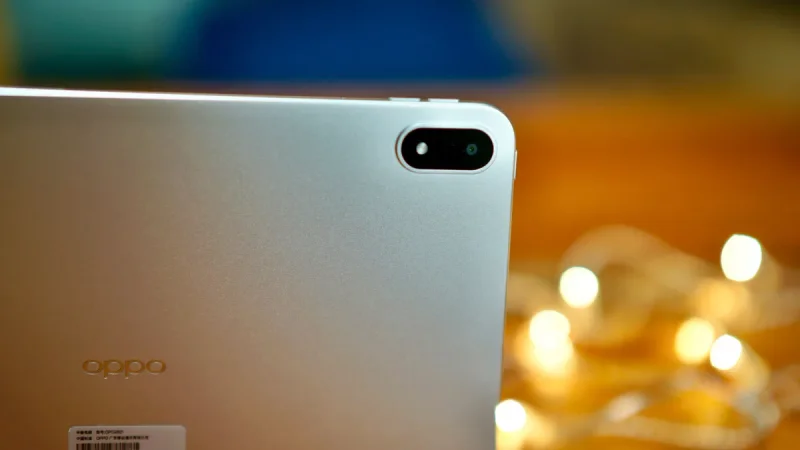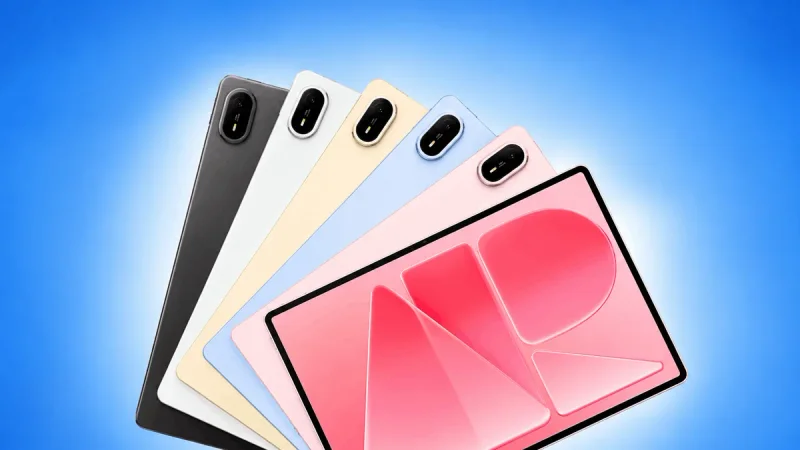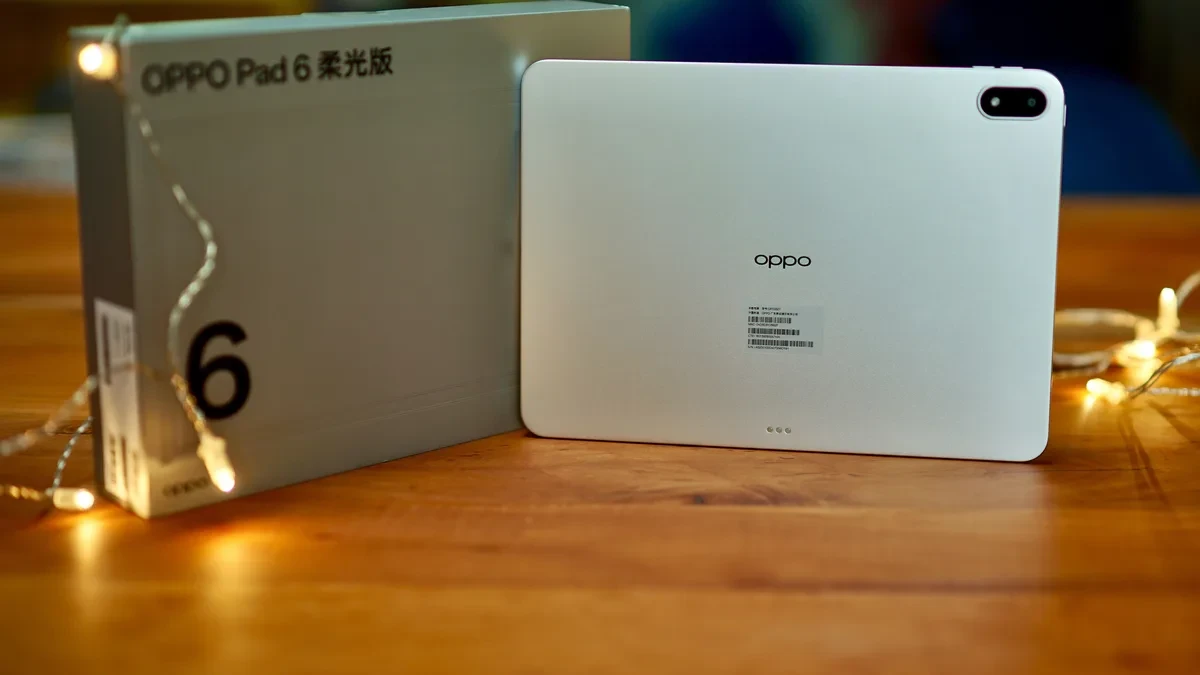
When tech manufacturers refresh their tablet lineups, they typically present cellular connectivity as a lucrative upsell. Buyers usually pay a premium for a built-in 5G modem, giving them the freedom to work from train stations, parks, and cafes without hunting for Wi-Fi passwords. With the 12.1-inch Pad 6, however, Oppo has taken an unexpected route. The company has completely eliminated 5G and LTE options, offering the device strictly as a Wi-Fi-only machine.
This decision means there is no physical SIM tray and no eSIM chip inside the Oppo Pad 6. While a Wi-Fi-only slate is perfectly fine for living room streaming or home desk setups, Oppo's design choice creates an unexpected domino effect on hardware functionality. By removing the cellular radio architecture, the brand also eliminated standalone satellite location capabilities, leaving outdoor navigators and mobile workers in a tough spot.
The Cascading Impact of Dropping Cellular Radios
In modern mobile devices, satellite positioning modules (GPS, GLONASS, Galileo, and BeiDou) are routinely integrated into the same baseband chip that handles cellular communications. Because Oppo stripped out the cellular modem hardware to streamline production and lower costs, the Pad 6 lacks dedicated GNSS location hardware entirely.
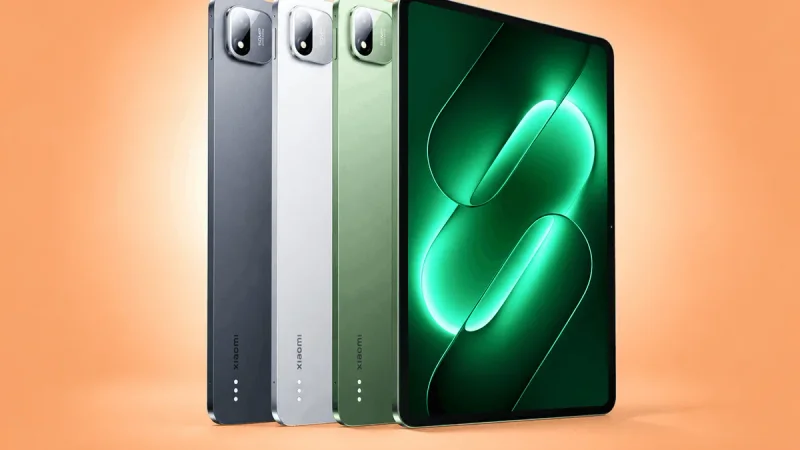
For daily use, location tracking on the Oppo Pad 6 relies exclusively on Wi-Fi positioning services. This approach works reasonably well inside office buildings, suburban homes, or dense city centers where local Wi-Fi networks broadcast predictable SSID maps. However, it fails in open spaces, rural areas, or highway travel. If you planned to mount this spacious 12.1-inch display on a dashboard as a large-screen navigation console or take it on rural field trips, turn-by-turn satellite tracking simply will not work without an external hardware bridge.
Dual Tethering: Oppo's Software-Driven Compromise
To soften the blow of missing cellular hardware, Oppo built a specialized software feature into its operating system: Dual Tethering. Recognizing that most users carry a smartphone wherever they go, Oppo created a mechanism that links the tablet to two phone hotspots or wireless connections at the same time.
By aggregating two mobile connections, the Oppo Pad 6 attempts to deliver faster download speeds and greater connection stability than traditional single-device tethering. If one phone connection drops or experiences signal degradation, the secondary connection picks up the slack. This helps prevent interrupted video calls, buffer stalls during media playback, and dropped cloud saves when working on location.
While dual tethering is a clever engineering workaround, it introduces obvious trade-offs. Relying on your smartphone for mobile data drains your phone battery much faster, increases thermal load, and requires manual hotspot toggles when working away from home Wi-Fi networks.

Who Should Consider the Oppo Pad 6?
The removal of 5G and GPS hardware clearly targets a specific type of user. If your daily workflow centers on fixed environments like home offices, corporate desks, university libraries, or coffee shops with strong wireless networks, the Oppo Pad 6 offers plenty of value through its expansive 12.1-inch display and solid media capabilities.
Conversely, frequent commuters, outdoor field workers, and digital nomads who rely on instant internet access straight out of a bag will find the lack of cellular options frustrating. Without a built-in 5G chip, every remote work session requires managing smartphone battery life and hotspot settings. Potential buyers should evaluate whether their daily routines demand true mobile independence or if tethering to a smartphone fits comfortably into their setup.