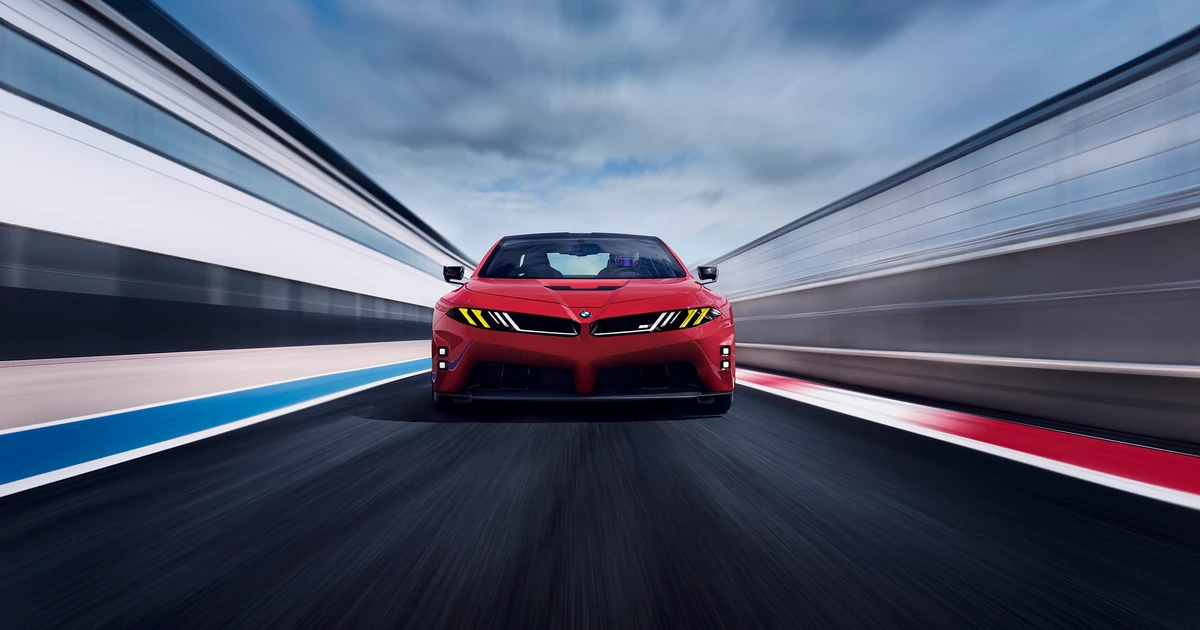
Can the iconic BMW M3 redefine performance with an all-electric powertrain? The "M Concept Neue Klasse" previews BMW's vision, combining sharp design with advanced electric technology to deliver an exhilarating driving experience right from the start.
The concept introduces a sharply sculpted exterior with functional aerodynamics and cooling, powered by four independently controlled electric motors. A central supercomputer called the "Heart of Joy" integrates powertrain, brakes, and chassis control for real-time vehicle dynamics.
Sporty Design Enhanced by Functional Cooling
The concept's body features distinctive lines that efficiently direct airflow to improve both performance and component cooling. A prominent air intake on the hood channels air directly to electronic components, ensuring optimal thermal management during spirited driving.
Advanced Electric Powertrain with Individual Wheel Control
At its core, the BMW M eDrive system uses the sixth generation of BMW's electric drive technology, equipping each wheel with its own dedicated motor. This setup enables continuously variable torque distribution tailored to driving conditions, enhancing agility and traction.

The "Heart of Joy" central computer replaces multiple control units, processing sensor data ten times faster than previous systems. It synchronizes powertrain, braking, and chassis systems in real time, allowing for precise handling and dynamic responses.
The BMW M Dynamic Performance Control software further refines the driving experience by balancing regenerative braking between electric motors and mechanical brakes seamlessly.
Technical Architecture and Battery Integration
The concept employs an 800-volt electrical architecture, powered by a battery exceeding 100 kWh. The battery housing is integrated securely into the vehicle's underbody structure, enhancing torsional rigidity for improved handling and safety.
Usage Context and Target Audience
With its quad-motor setup and advanced cooling, this concept targets driving enthusiasts seeking high-performance electric sedans capable of delivering sharp handling and responsive power delivery. The integration of the "Heart of Joy" computer suggests a focus on precision and dynamic control for demanding driving scenarios.

Competitor Comparison
Compared to rivals like the Tesla Model 3 Performance and the upcoming Audi RS e-tron GT, BMW's concept emphasizes individual wheel control and a central computing system that could offer more nuanced vehicle dynamics. While Tesla uses dual motors, BMW's four-motor layout may provide superior torque vectoring capabilities.
- Powertrain: Four independent electric motors with variable torque distribution
- Battery: Over 100 kWh capacity, integrated into underbody for rigidity
- Voltage Architecture: 800-volt system
- Control System: Central "Heart of Joy" computer managing powertrain, brakes, chassis
- Software: BMW M Dynamic Performance Control for regenerative braking balance
The electric BMW M3 based on this concept is expected to debut no earlier than 2027, positioning it as a future contender in the high-performance electric sedan market.
Source: BMW | notebookcheck.net