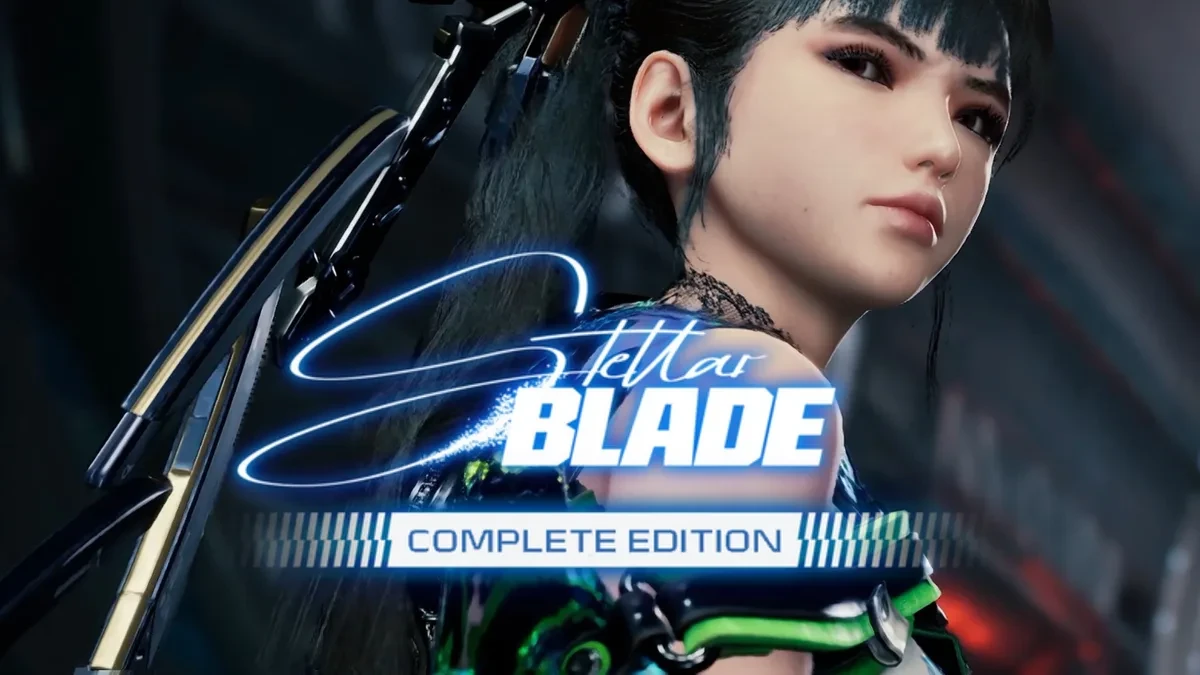
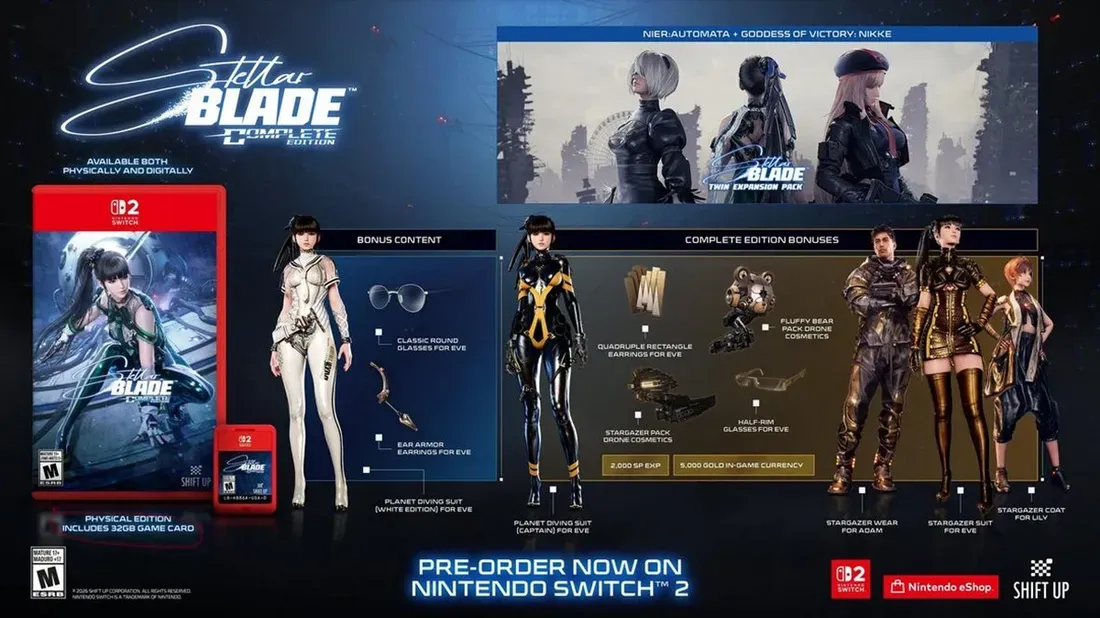
Physical game collectors have faced mounting frustration in recent years as publishers increasingly rely on empty boxes, mandatory day-one downloads, and digital-only releases. For Nintendo's upcoming Switch 2 hardware, fears circulated that exorbitant manufacturing costs for high-capacity media would force third-party publishers to abandon full on-cartridge releases entirely. However, developer Shift Up has broken that trend by confirming that the Switch 2 edition of Stellar Blade Complete Edition will ship entirely on a physical 32 GB Game Card.
With the Nintendo eShop listing the action title at a file size of 25.4 GB, the game will be completely playable straight from the cartridge without requiring secondary downloads. This development signals that Nintendo is providing publishers with flexible, tiered cartridge capacities, opening a viable path for physical media preservation on next-generation handheld hardware.
Tackling Cartridge Economics for Third-Party Studios
The economics of proprietary flash media have long created tension between platform holders and game publishers. Industry reports circulating late last year indicated that Nintendo's rumored 64 GB cartridges could cost publishers as much as $16 per unit to manufacture. For mid-sized publishers and indie studios operating on tighter margins, absorbing high physical manufacturing costs often meant choosing between a retail price hike, cutting physical print runs, or issuing a Game-Key Card that merely acts as an installer for a digital download.
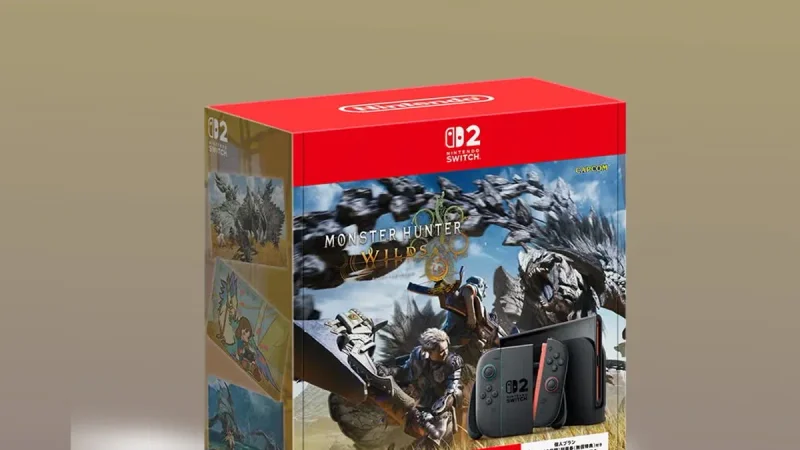
By introducing a 32 GB option alongside rumored 16 GB variants, Nintendo provides a practical middle ground. Smaller storage options substantially lower production costs for titles that do not require massive storage allocations, making complete physical releases commercially viable for a wider range of studios.
Shift Up addressed physical game enthusiasts directly during its announcement, stating that the studio recognizes the importance of tangible ownership and ensured Stellar Blade would be 100 percent contained on the cartridge. The move demonstrates that when hardware makers provide intermediate storage tiers, publishers are willing to cater to players who prefer permanent physical copies over digital licensing.
The Growing Divide: Cartridge Limits and Massive Game Files
While the availability of 32 GB media offers relief for mid-tier games, the physical gaming market still faces real engineering and financial hurdles. Volatile NAND flash memory costs continue to pressure hardware margins, which can reduce the cost savings of mid-tier cartridges over time.
Furthermore, an increasing number of modern blockbusters far exceed standard cartridge capacities. Massive open-world titles, such as Square Enix's Final Fantasy 7 Revelation, demand more than 100 GB of storage space on handheld hardware. For games of that scale, physical cartridges cannot contain the full assets without multi-card distribution or substantial mandatory patches. Game directors have also pointed out that extremely dense flash media can present read-speed bottlenecks, making internal solid-state drives or high-speed microSD cards more practical for asset streaming.
A Distinct Philosophy in a Digital-First Market
Despite these technological hurdles, Nintendo's approach to cartridge options highlights a stark philosophical difference compared to rivals. While Sony and Microsoft continue to steer their ecosystems toward digital storefronts and optional disc drives, Nintendo maintains support for plug-and-play physical media.
Stellar Blade's Switch 2 physical release sets an encouraging precedent. It proves that intermediate cartridge tiers can keep physical media alive and fully playable out of the box, preserving game software without forcing players to manage massive local storage downloads.