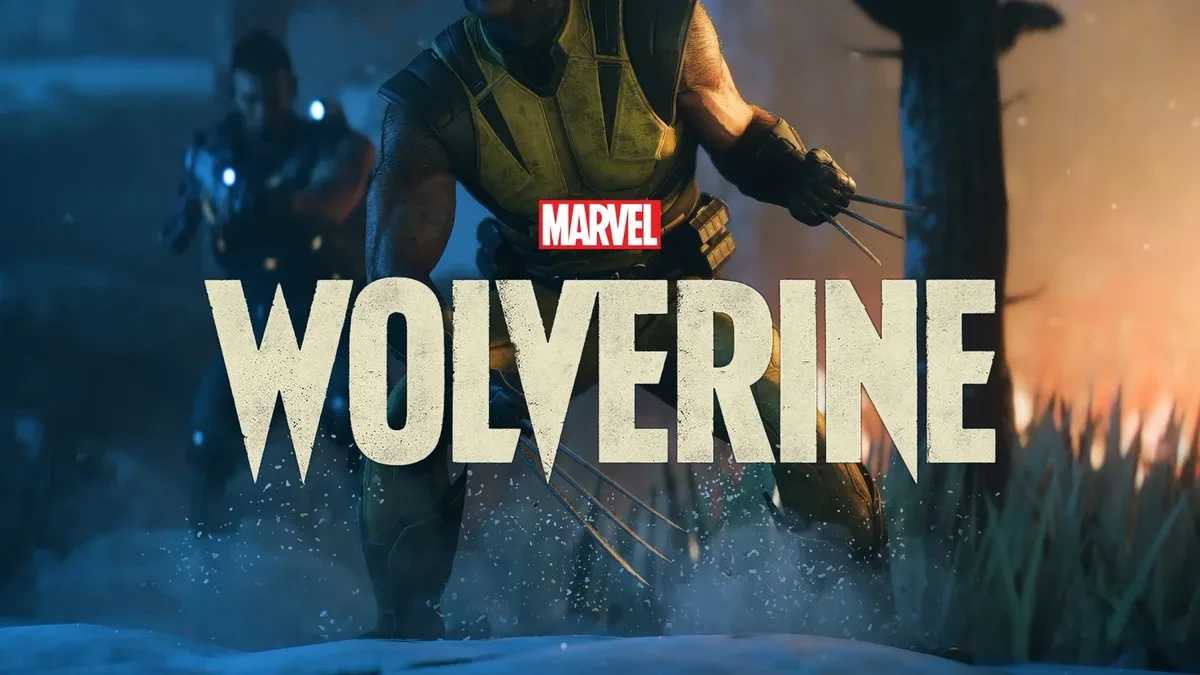
Insomniac Games built its modern reputation on the expansive, web-slinging freedom of the Marvel's Spider-Man series. However, the studio's latest PS5 exclusive, Marvel's Wolverine, takes a drastically different path by trading open-world swinging for tight, brutal, linear action. While professional critics responded with an unexpectedly cautious 77 average score on Metacritic, early player reception tells a completely different story.
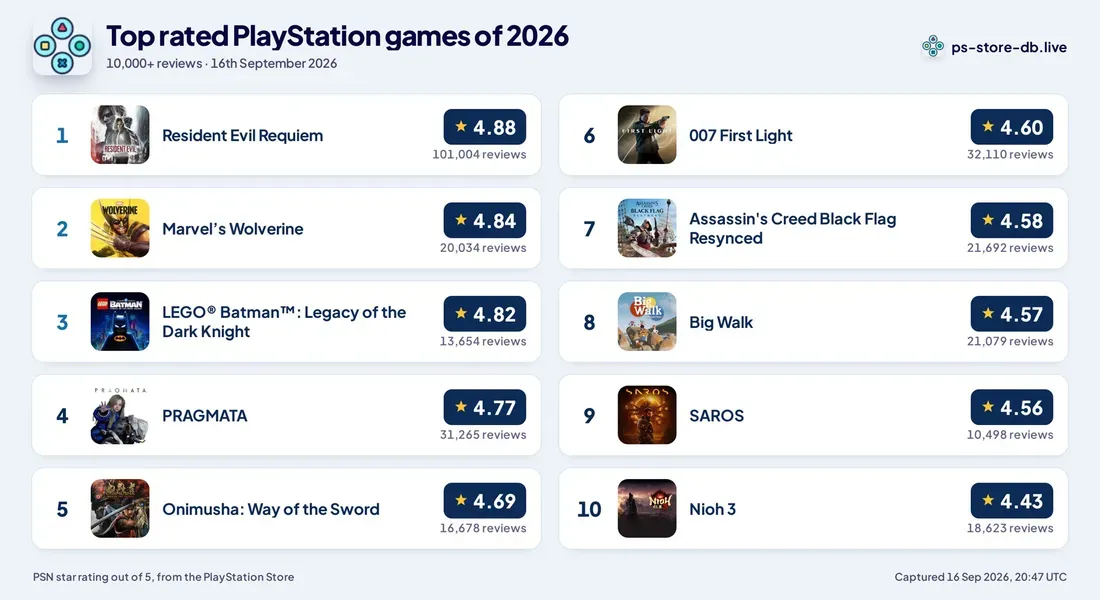
On the official PlayStation Store, players have elevated Marvel's Wolverine to a standout 4.84 out of 5 rating across roughly 20,000 user reviews. That score surprisingly outpaces Spider-Man 2, which holds a 4.72 rating among fans. The sharp contrast highlights a growing divide between trade critics who grow weary of repetitive melee sequences and core console players who want focused, unfiltered comic-book action without open-world clutter.
The Divide Between Reviewers and Regular Players
When press embargoes lifted ahead of the game's release, reviews for Marvel's Wolverine fell noticeably below Insomniac's historical standards. For context, 2018's Marvel's Spider-Man scored an 87 on Metacritic, Spider-Man: Miles Morales earned an 85, and 2023's Spider-Man 2 reached an impressive 89. Critics frequently cited Logan's aggressive, button-heavy combat and rigid stage progression as primary drawbacks, noting that the gameplay loop can feel monotonous during longer sessions.

However, PlayStation 5 owners buying the game directly from the console storefront seem largely unbothered by those mechanical limitations. For many action enthusiasts, a tightly paced ten-to-fifteen-hour campaign filled with high-intensity claw strikes and cinematic execution animations is a welcome change of pace from massive maps overcrowded with side quests. The immediate feedback loop of Wolverine delivers exactly what character fans expected, proving that raw action satisfaction can easily outweigh structural repetition in the eyes of everyday players.
Linear Action Versus Open-World Burnout
The contrast between critic and player ratings speaks to broader trends in modern game design. Over the past decade, major blockbusters have increasingly favored open-world design, forcing players to navigate expansive maps, manage crafting resources, and clear repetitive side activities. While Spider-Man utilized open-world mechanics effectively to sell the fantasy of swinging through New York, applying that same template to Logan would have felt unnatural.
By narrowing the scope to linear environments, Insomniac sacrificed free-roaming exploration in favor of curated set pieces and constant combat encounters. Reviewers who evaluate dozens of open-world games annually identified the lack of gameplay variety as a shortfall. In contrast, players suffering from open-world fatigue appear to appreciate the straightforward momentum of charging through hallways and arenas as an unstoppable mutant force without needing to check off map icons.
Early Sales Numbers Point to a Commercial Win
While player ratings on digital storefronts can fluctuate as more users complete the campaign, early commercial metrics indicate strong market demand. According to digital sales data from PS Store DB, Marvel's Wolverine quickly claimed the number one sales spot in international markets like the United Kingdom and Mexico shortly after launch, while holding the second-highest position in the United States.
These early charts suggest Sony and Insomniac are well on track to meet internal expectations. Internal documents leaked prior to launch indicated Sony aimed to sell 6 million copies within the first year and 10 million copies over the title's lifespan. While those targets are more modest than the massive lifetime sales of the Spider-Man series, Wolverine is already proving that character-driven action titles can thrive on clear identity and enthusiastic fan approval, regardless of middling review scores.