Diablo 5 is officially in the works, and for the first time in a long time, Blizzard has the luxury of time. With development in its early stages, the community is looking for a departure from the cyclical reinventing that defined Diablo 4. We know the basics: procedural dungeons are returning, inventory management is getting a tactile update, and classic archetypes like the Monk and Demon Hunter are making a comeback. However, the true challenge for Blizzard lies in whether it will continue to iterate in a vacuum or finally look at the competition.
Path of Exile and Last Epoch have spent years solving fundamental design problems that Blizzard has historically ignored. If Diablo 5 wants to be more than just a seasonal distraction, it needs to stop treating complexity as an enemy and start treating player agency as a core feature. It is time for Blizzard to stop playing it safe and start building a game that respects both the casual demon-slayer and the obsessive min-maxer.

The Case for Meaningful Complexity
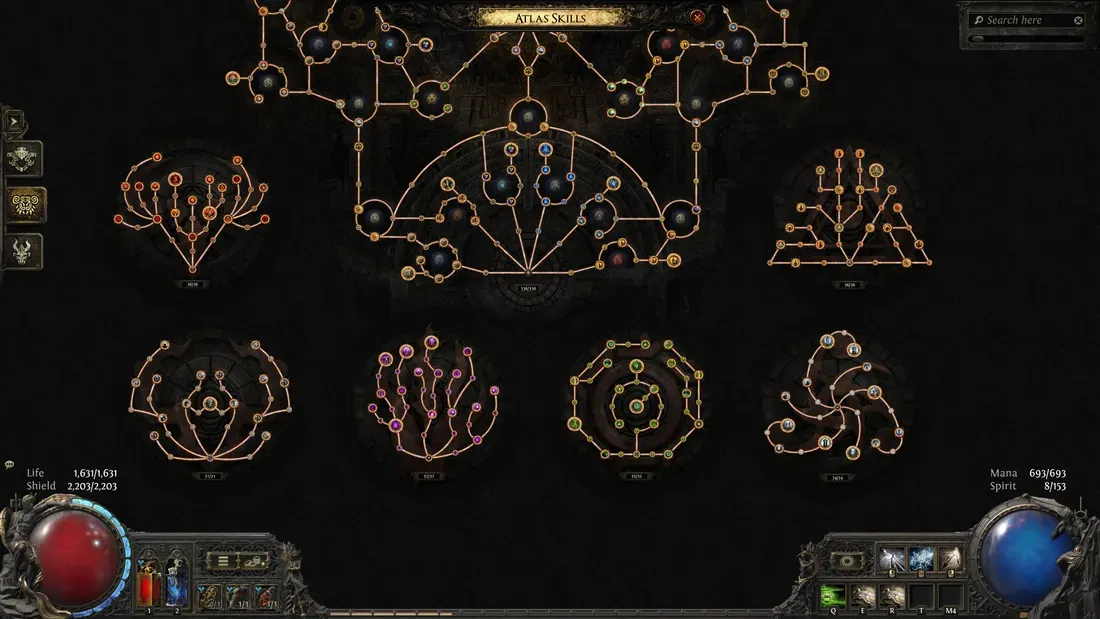
Diablo 4’s skill system feels like a set of twigs compared to the sprawling, interconnected networks found in modern ARPGs. The Paragon board was a step in the wrong direction, locking meaningful progression behind arbitrary level gates. Diablo 5 needs a skill tree that functions like a blueprint for a complex machine. It should be daunting at level one, allowing players to plan paths that enable specific, unique build identities.
Classes should define a starting point, not a cage. If a player wants to spend forty passive points to turn their Druid into a staff-wielding, poison-casting anomaly, the game should let them. By decoupling skills from rigid class containers, Blizzard can foster emergent gameplay rather than forcing every character into a pre-determined meta-bucket.
Loot, Crafting, and the Hunt
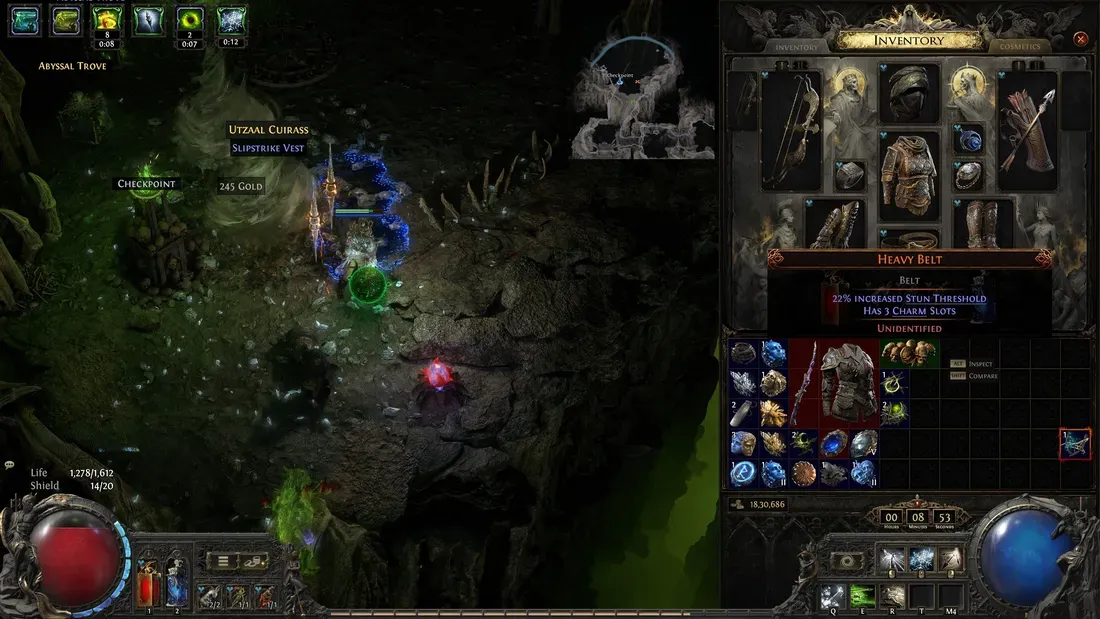
Sanctuary needs to stop curating the player experience. Modern Diablo titles suffer from aggressive loot filtering that essentially hands players items tailored to their specific class. This destroys the excitement of finding a powerful, unexpected piece of gear. Loot should exist independently of the player, creating a world where an item drop is a discovery rather than a personalized recommendation.

Crafting must also evolve into a metagame of its own. It should be a system where dedicated players can use spreadsheets and deep game knowledge to manufacture god-tier gear, while casual players can still engage with deterministic, albeit expensive, upgrade paths. Bringing back genuine, complex runewords - where the base item, socket count, and rune order matter - would add a layer of obsession that has been missing for years.
Closing the Gap Between Casual and Hardcore
The goal is not to alienate the casual player but to provide a higher ceiling. The dad gamer should be able to finish the campaign and feel powerful, while the player logging sixteen hours a day should have a reason to keep grinding for three months to perfect a single item. If the game offers enough systemic depth, the motivation to keep playing won't come from a quest log, but from the internal drive to optimize a build to its absolute limit. Diablo 5 has the potential to be the definitive ARPG, provided Blizzard is willing to learn from the best ideas currently sitting on the desk next door.