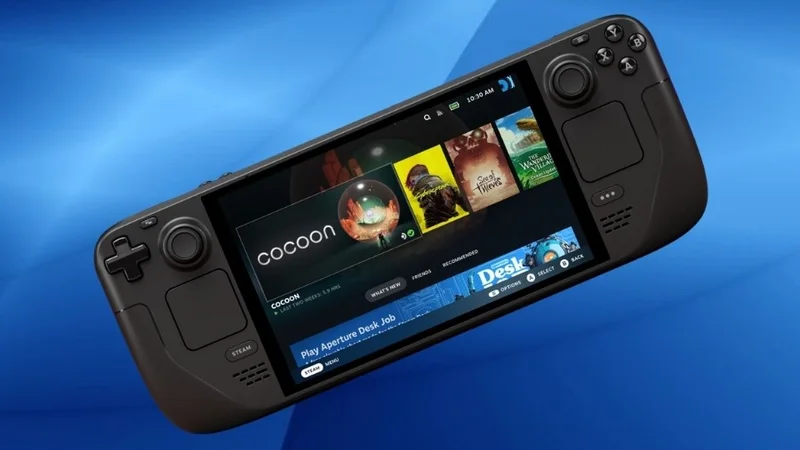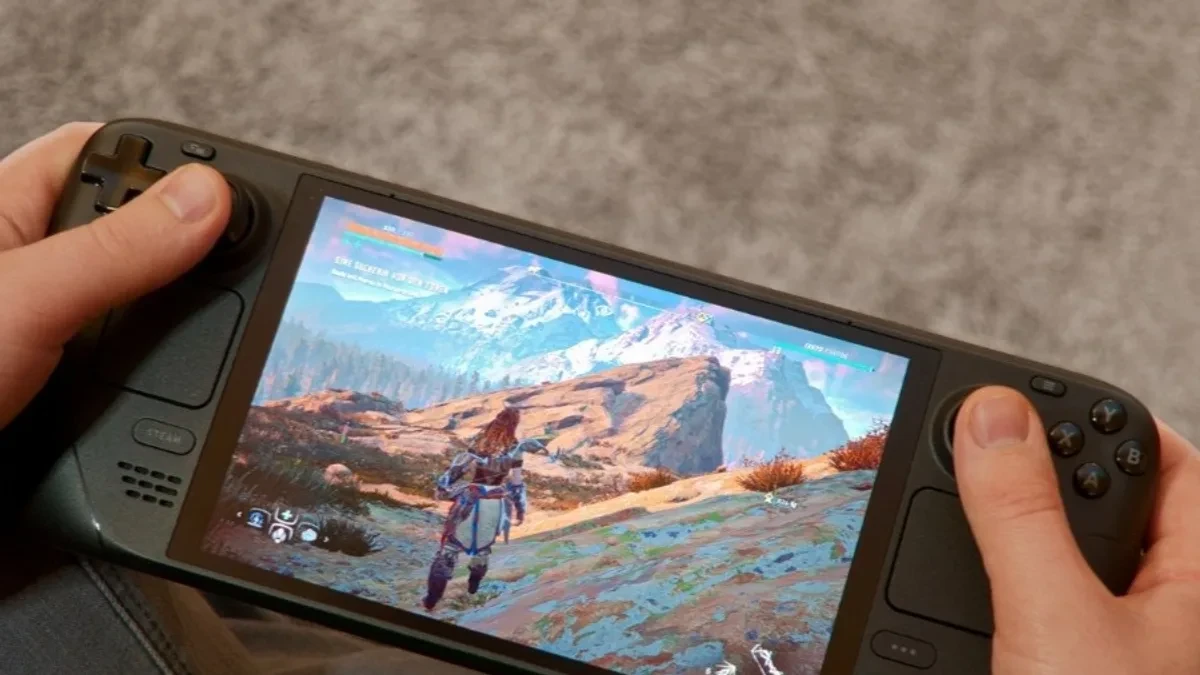
The volatile landscape of the semiconductor industry has forced many hardware manufacturers into a corner, with rising memory and component costs frequently leading to price hikes or deferred product launches. Yet, Valve remains committed to its long-term vision for the Steam Deck successor. While the original handheld's pricing has fluctuated - with the 512GB OLED model now retailing at $789 and the 1TB variant reaching $949 - the company insists these market headwinds will not compromise the core philosophy behind its next device.
Valve has maintained a consistent stance since the original device's inception: the company is not interested in a premature hardware refresh simply to chase newer silicon. Instead, the focus remains entirely on delivering a generational performance jump that justifies a new purchase. This user-centric approach favors tangible improvements in frame rates and efficiency over the rapid, iterative release cycles common among smartphone manufacturers.
Prioritizing Performance Over Speed
In a recent discussion, Valve software developer Pierre-Loup Griffais clarified that despite the ongoing memory supply crisis, the team's internal goals for a future Steam Deck have not shifted. Valve is actively monitoring market conditions, but the primary constraint for the Steam Deck 2 is not just component availability - it is the engineering threshold required to offer a 'noticeable' step up in power.
For users, this means Valve is effectively waiting for the intersection of thermals, battery efficiency, and raw computational power to reach a point where a new handheld can offer a significantly better experience than the current model. By resisting the urge to release a minor 'mid-cycle' refresh, Valve aims to avoid diluting the product ecosystem or confusing existing customers with marginal hardware gains.

The Price-to-Performance Challenge
Maintaining the balance between accessible pricing and high-end handheld performance is becoming increasingly difficult. The recent price adjustments for the OLED Steam Deck models highlight the impact of global supply chain instability. However, Valve seems to view these economic pressures as a hurdle to be managed rather than a reason to abandon its roadmap.
While rumors have pointed toward a 2028 release window, Valve has kept its official timeline under wraps. The company’s patience suggests that when the successor finally arrives, it will likely be a fully realized leap in technology, designed to sustain the same longevity that the original Steam Deck has enjoyed since its 2022 debut. For now, enthusiasts will have to wait until the hardware industry can offer the performance gains Valve demands at a price point that remains sustainable for the average gamer.