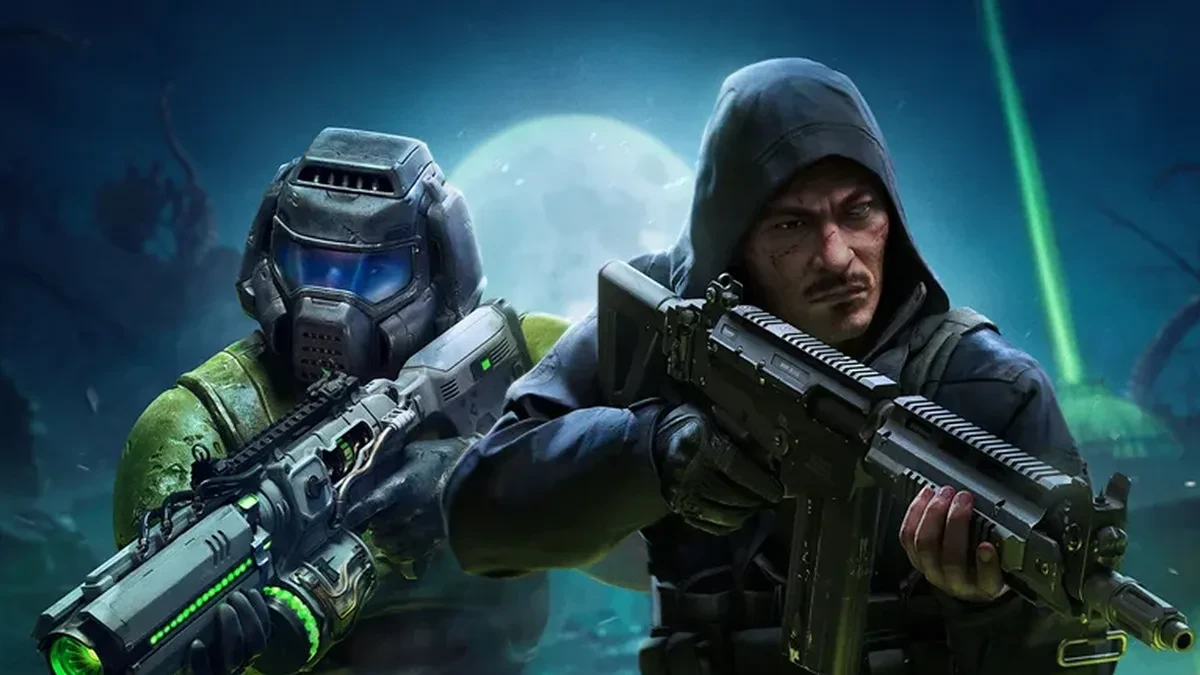
For the past two years, Treyarch has been the primary architect behind the Call of Duty franchise, steering the ship through the high-stakes launches of Black Ops 6 and Black Ops 7. As the studio prepares to push its final major update - Season 6 for Black Ops 7 - on September 17, leadership has confirmed that the team is ready to move beyond the familiar confines of the series. This transition marks the end of a dense, experimental era for the studio and the beginning of a search for a new identity.
In a candid developer discussion, Design Director Kevin Drew framed the pivot as a necessary evolution for the team. While the last two years have seen the studio iterate on core mechanics at a rapid pace, the team is now turning its attention toward a blank canvas. The studio is aiming to craft an experience that departs from the established formula, promising a project that, in Drew's words, is something nobody has ever experienced before.

The Legacy of Omnimovement and Systemic Shifts
Treyarch's recent tenure was characterized by a willingness to break traditional Call of Duty conventions. Co-Studio Head Yale Miller highlighted the team's commitment to large-scale innovation, noting that the development of Black Ops 6 and 7 was driven by a desire to fundamentally alter how players interact with the environment.
Central to this era was the introduction of 'Omnimovement,' a mechanic that redefined character mobility and spatial awareness in the shooter genre. By allowing players to move with greater fluidity and freedom, the studio fundamentally changed the rhythm of multiplayer combat. Alongside these movement overhauls, the team implemented complex 'Endgame' mechanics that sought to provide more depth for long-term players. These additions were not merely iterative updates but bold attempts to move the needle in a franchise often criticized for its cyclical nature.

Moving Toward the Unknown
The decision to step away from Black Ops comes at a time when the broader gaming industry is struggling with the costs and pressures of AAA development. By concluding support for Black Ops 7, Treyarch is intentionally creating the space needed to incubate a new project without the constraints of a legacy annual release schedule. While the studio has yet to reveal what this project entails, the emphasis on 'something new' suggests a departure from the military shooter template.
For a studio that has defined its reputation through the lens of tactical combat and intricate Zombies modes, the prospect of a pivot is significant. Whether this shift results in a new intellectual property or a radical reimagining of its internal development processes, the gaming community is left to speculate on what a 'post-Black Ops' Treyarch looks like. As the curtains close on this chapter, the studio’s focus remains on ensuring the final season of its current project hits the mark before the team disappears back into the development cycle.