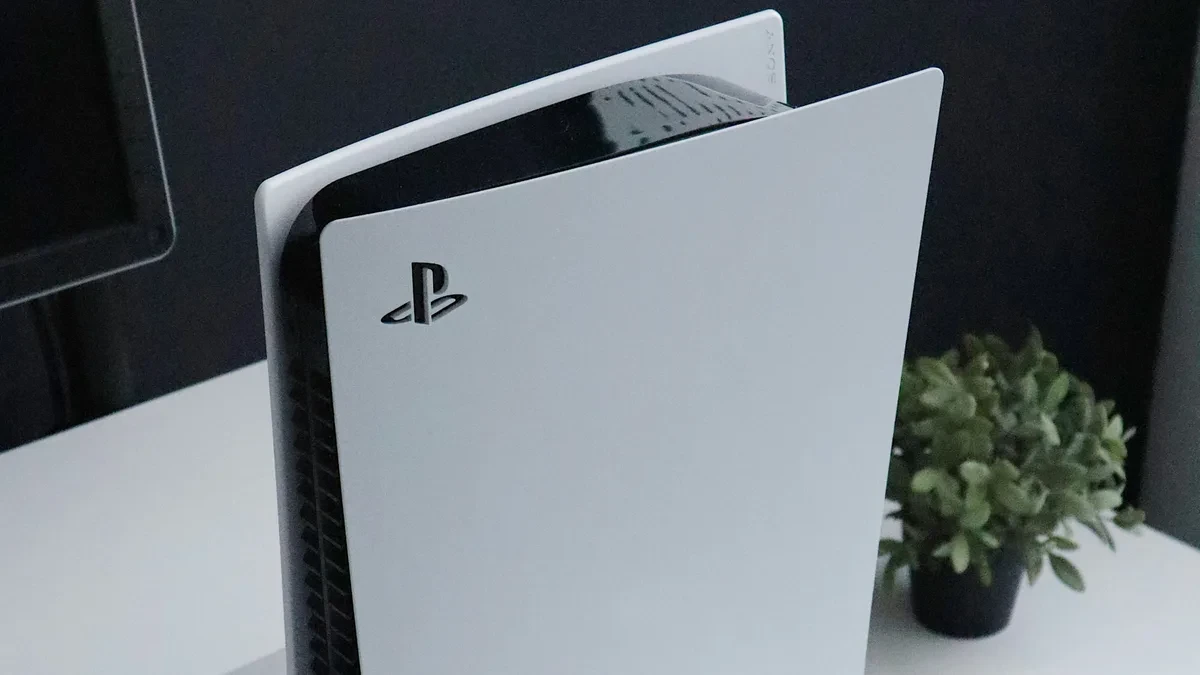
PlayStation 5 emulation on PC is moving faster than many industry observers anticipated. The open-source KytyPS5 project has successfully booted Sony's pre-installed platformer, Astro's Playroom, joining a growing roster of playable titles that already includes Demon's Souls and Astro Bot. While frame rates currently hover below 30 frames per second and demand high-end hardware, the milestone signals meaningful progress for software preservation.
Tested publicly by tech creator Unreal Gaming on an AMD Ryzen 7 9800X3D processor paired with an NVIDIA GeForce RTX 4080 graphics card, the software rendered the full introductory sequence without critical crashes. While the project remains in an early experimental state, its ability to execute native PlayStation 5 binaries on consumer PC hardware highlights vital engineering strides in translation layers and system architecture emulation.
Early Boot Stability Replaces Raw Performance Goals
For software emulation projects in their infancies, boot stability takes priority over smooth frame rates. Running Astro's Playroom presents a unique test case: the platformer was specifically designed by Sony's Team Asobi to showcase the native hardware routines, audio pipelines, and input capabilities of the PlayStation 5 console.

Demonstration footage shows the emulator maintaining active memory management across demanding render passes. Although frame rates frequently dip into the sub-30 range with noticeable audio stuttering, the absence of system lockups or memory leaks is a key technical win. Previous iterations of early console translation tools often crash during initial shader compilation or menu rendering. KytyPS5's ability to maintain an active gameplay loop proves that its core CPU instruction handler is functioning correctly.
Why Modern CPU Architecture Is the Main Bottleneck
Emulating modern home consoles requires immense processing power due to the heavy instruction translation layer required between custom console operating environments and standard Windows systems. While both the PlayStation 5 and modern desktop PCs rely on x86-64 CPU architectures, bridging the gaps between proprietary system calls, security layers, and unified memory management demands heavy computational overhead.
In testing, smooth execution depended directly on CPU performance rather than GPU compute power. The AMD Ryzen 7 9800X3D, featuring 3D V-Cache technology, represents the upper tier of current gaming hardware. Yet, even with this flagship component, frame rates remained limited. Similar to mature emulation projects like RPCS3 for the PlayStation 3, users looking to experiment with KytyPS5 in its current stage will need high-end multi-threaded processors with strong single-core clock speeds. Mid-range GPUs easily handle the graphical rasterization, but slow CPU translation remains the main bottleneck.

The Critical Role of Community Emulation in Game Preservation
Beyond technical curiosity, software projects like KytyPS5 address a growing concern across the gaming industry: digital preservation. As platform holders gradually shift toward digital-only console revisions and cloud distribution, physical game discs face inevitable degradation, and official server infrastructures eventually shutter.
Astro's Playroom comes bundled natively on every PlayStation 5, but its long-term accessibility depends entirely on active hardware support from Sony. Open-source emulators built by independent developers ensure that interactive software remain accessible long after legacy console hardware ceases production and official storefronts go offline.