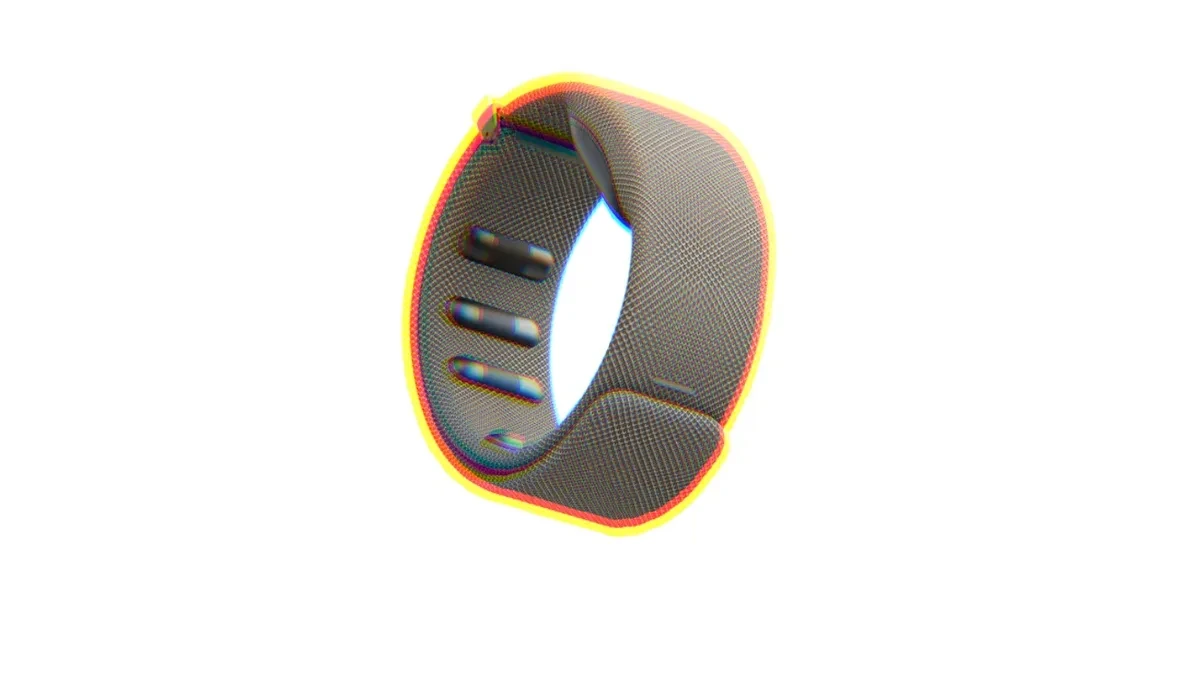
Meta engineered its surface electromyography (sEMG) Neural Band to solve the ergonomic friction of augmented reality controls, capturing microscopic motor neuron impulses in the wrist before a user's physical fingers even finish moving. Now, open-source developers have liberated that hardware from Meta's closed ecosystem, transforming the neural wristband into a silent, gesture-driven interface for Apple's macOS desktop.
Created by developer callbacked, an open-source project named Kinesis reverse-engineers the wristband's unencrypted Bluetooth Low Energy (BLE) packet stream. By intercepting raw neuromuscular sensor spikes directly on a Mac, Kinesis translates subtle wrist twitches into native operating system events without routing data through Meta's proprietary daemons or cloud infrastructure.
How Microscopic Muscle Impulses Replace Mice and Shortcuts
Traditional gesture control systems rely heavily on external optical cameras or power-hungry computer vision models that fail in poor lighting and cause arm fatigue during extended sessions. Meta's Neural Band bypasses cameras altogether by using skin-contact sensors to read electrical signals transmitted down the nervous system to the forearm. By reading these motor impulses at the electrical level, the system registers user intent almost instantly, even when hands are resting comfortably on a desk or in a lap.
Kinesis taps into this high-frequency sensor stream to create a subtle control layer for macOS. A gentle thumb-to-index pinch maps to a standard mouse click, while rolling fingers adjusts system volume dynamically. Tapping or flicking the wrist triggers Mission Control to switch instantly between virtual desktop spaces. This setup allows users to control core desktop navigation without lifting their wrists or reaching for physical peripherals.
Bypassing Meta's Cloud to Preserve Local Privacy
The most impressive technical feat of Kinesis is its independence from Meta's software stack. Rather than relying on official companion applications or account authentication, the menu bar utility establishes a direct, local Bluetooth connection with the Neural Band. Because the raw data packet structure was decoded directly, all signal processing happens locally on the host Mac.
This localized approach eliminates background bloat, reduces input latency, and addresses major privacy concerns associated with biometrically tracking neural hardware. Raw neuromuscular data never leaves the local machine, preventing telemetry harvesting while providing a lightweight system utility that consumes negligible CPU cycles.

The Horizon for Open-Source Neural Peripherals
While the initial build of Kinesis targets macOS menu bar integration, its long-term potential extends far beyond Apple's ecosystem. Because the developer decoded the underlying raw BLE communication protocol rather than relying on proprietary Apple frameworks, porting the control engine to Linux and Windows is direct and highly feasible.
As wearable neuromuscular hardware becomes more accessible through second-hand markets and hardware revisions, open-source tools like Kinesis demonstrate that neural interfaces do not need to remain locked inside walled gardens. Independent developers are already laying the foundation for universal, muscle-driven control schemes across every major operating system.