Smart irrigation controllers come in various levels of sophistication, each offering different benefits for managing garden watering efficiently. Understanding these differences can help buyers choose the right system for their needs while conserving resources and protecting plants.
Basic Smart Timers: Manual Control with Simple Automation
Entry-level devices like the Insoma Automatic Water Timer Intelligent Irrigation System Sprinkler Timer offer basic scheduling features. These inexpensive timers let users set start times, watering durations, and frequencies directly on the device. They also include a manual watering option and can pause irrigation during rain. However, these timers do not automatically adjust watering based on changing weather or soil conditions.
For everyday use, such devices can be suitable if users are frequently available to manually update settings. But if you travel or forget to change the schedule, plants may get overwatered, wasting water and energy. This is a concern not only for cost but also environmental impact, making basic timers less ideal for those looking to optimize water use. Related coverage: Mova L10 Smart Sprinkler Waters Up to 5,400 Sq.
Controllers with Smartphone Connectivity for Remote Management
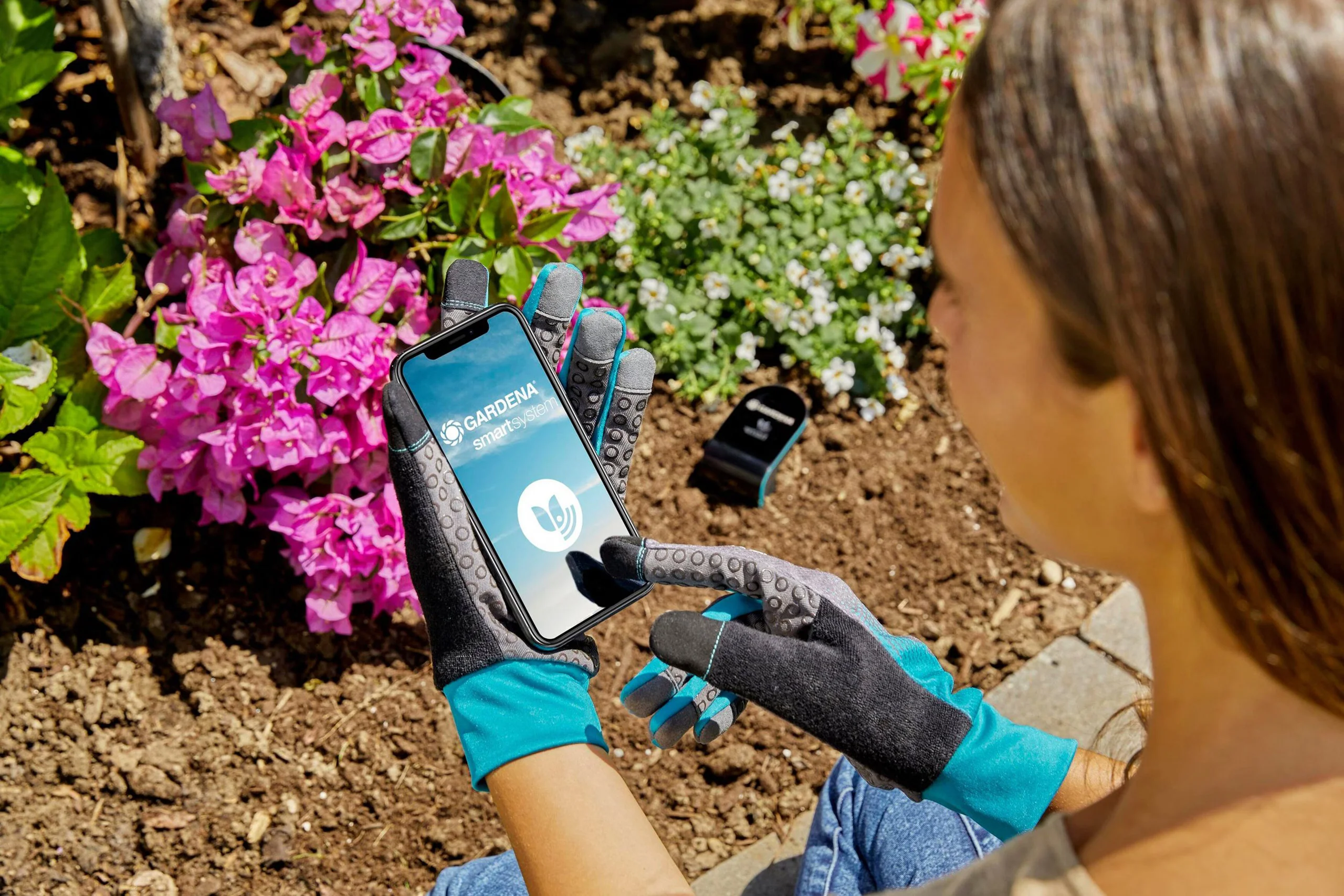
More advanced irrigation controllers include wireless modules like Wi-Fi, Bluetooth, or ZigBee, allowing users to connect them to smartphones. This means schedules can be adjusted remotely, which is handy during vacations or unexpected weather changes. While this adds convenience, these systems still rely on the user to monitor conditions and modify watering plans accordingly.
This level of control may appeal to tech-savvy gardeners who want flexibility but are willing to remain engaged in irrigation management. It reduces the need to be physically near the device for adjustments but doesn’t fully automate watering based on environmental data. For more context, you may also want to read Casio Unveils MTG-B4000 Watches with Carbon Fiber and Triple G Resist.
Truly Intelligent Irrigation Systems: Automated and Data-Driven
Top-tier smart irrigation systems go beyond manual scheduling and remote control by integrating sensors and algorithms that respond to real-time conditions. They use weather forecasts, soil moisture readings, plant type data, and solar radiation levels to determine exactly when and how much to water. This means thirsty plants in dry, sandy soil receive the right amount, while less demanding plants avoid unnecessary watering.
Some devices, such as the LinkTap G2S, also include a built-in flow meter. This feature detects irregularities like a burst hose or pump failure and automatically shuts off the water while sending an alert to the user’s smartphone. Such safeguards help prevent flooding and water waste, offering peace of mind along with optimized watering.
For buyers, the choice depends on factors like the size of the irrigation system, preference for local control versus cloud-based ecosystems, and budget. Open-source options like OpenSprinkler provide flexibility for larger setups with multiple valves, while tap-mounted devices suit smaller gardens.
Choosing the Right Smart Irrigation Controller
When selecting an irrigation controller, consider how much automation you want and how involved you prefer to be. Basic timers are affordable but require manual updates and may lead to overwatering if neglected. Controllers with smartphone integration ease schedule changes but still rely on user decisions.
True smart irrigation systems provide automated watering based on environmental data, which can save water, reduce costs, and protect plants more effectively. However, these systems tend to be more complex and potentially pricier. Buyers should also check compatibility with their existing garden setup and whether the device supports local control or requires cloud services.
Ultimately, investing in a smarter irrigation controller can improve garden health and resource use, especially in regions facing water restrictions or unpredictable weather. Still, official announcements and detailed specifications should be reviewed before purchase to ensure the product meets specific needs.
(Via)