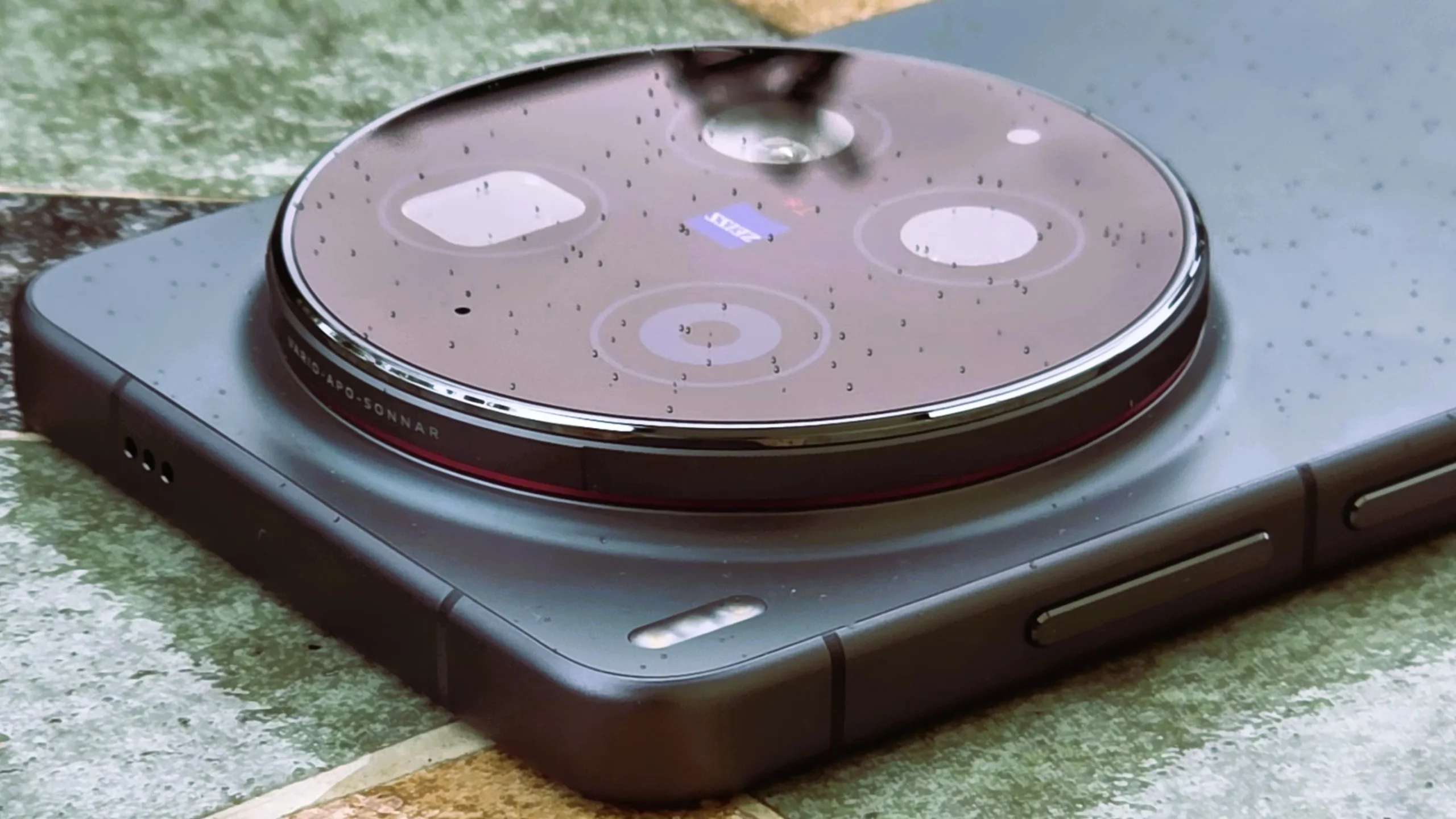
The Vivo X300 Ultra is a flagship smartphone that comes in both global and Chinese model variants, each catering to different markets and buyer needs. While the Chinese model is offered at a notably lower price point, the global version carries advantages in software support and warranty coverage that buyers should consider before making a purchase.
Differences in Software and Services
The Chinese Vivo X300 Ultra runs firmware specifically tailored for its domestic market. This customization brings some challenges for international users, especially in Europe. Notably, Google services such as Location Services may not function reliably, which can affect features like device tracking through “Find My Device.” The Chinese model also lacks integration with Wear OS and does not support eSIM, a growing feature in many regions. However, many of these issues can be mitigated; for example, an eSIM adapter can be used to work around the lack of native eSIM support.
On the positive side, the Chinese model does include a multi-language ROM with English support, and Android Auto works reliably, maintaining compatibility for many users. Potential buyers should also be aware that software update policies differ: while the global model promises seven years of software support, it’s unclear whether the Chinese variant’s five-year support includes Android upgrades or only security patches, leaving some uncertainty for long-term users. Related coverage: Vivo X300 Ultra vs Galaxy S26 Ultra: Key Differences in Audio and Heat.
Hardware Features and Network Compatibility
From a hardware perspective, the Chinese Vivo X300 Ultra matches the global model closely. It supports a wide array of LTE and 5G bands, ensuring solid network coverage across Europe. This means users importing the Chinese model should experience no significant connectivity disadvantages compared to the global version.
The Chinese variant also offers more color options and additional storage configurations, which may appeal to buyers looking for specific aesthetics or higher capacity. A useful advantage for those importing is the inclusion of a fast-charging power adapter, which is sometimes not bundled with the global model. For more context, you may also want to read Aotos Flux X26: Affordable E-Bike and Motorcycle Hybrid Surges.
Warranty and After-Sales Support Considerations
One of the main concerns with importing smartphones is warranty and repair support. Vivo Europe has clarified that warranty claims for models officially sold in Europe—such as the X300 Ultra—can be handled locally, including in Germany. This means that imported units of this flagship do not necessarily have to be sent back to China for repairs, easing concerns about service turnaround times.
However, buyers should still be cautious about return policies and support options when purchasing from third-party importers, as these can be more limited compared to official retail channels. Ensuring the seller is reputable and verifying warranty conditions before purchase can help avoid issues down the line.
Who Should Consider Each Model?
The global Vivo X300 Ultra is best suited for those who prioritize seamless software experience, guaranteed long-term updates, and official support channels. It is a safer choice for users who rely heavily on Google services, Wear OS, and eSIM functionality.
Conversely, tech-savvy buyers comfortable with some software adjustments or workarounds might find the Chinese model appealing due to its lower price, broader color and storage options, and included charger. However, they should be prepared for potential limitations in Google service compatibility and less clarity on update policies.
Ultimately, the decision depends on the buyer’s priorities—whether cost savings and hardware variety outweigh the convenience of official software support and warranty coverage.
(Via)