

Google has finally entered the item tracker race with the Pixel Tag, a $29 tracker that aims to give Android users the same proximity and networked finding tools Apple users have enjoyed. It arrives as a direct rival to Apple AirTag and Samsung Galaxy SmartTag2, with UWB support and a wider Android reach.
Price and Design
The Pixel Tag is priced at $29 for a single unit or $99 for a four-pack, matching AirTag pricing and sitting a dollar below Samsung’s SmartTag2 single price. The Pixel Tag uses a pebble-shaped pill body, about 46 x 28 x 5.4 mm and under 12 grams, but it lacks a built-in loop so you will likely need a case to attach it to keys. It ships in one color called Fog and uses a replaceable CR2032 coin cell.
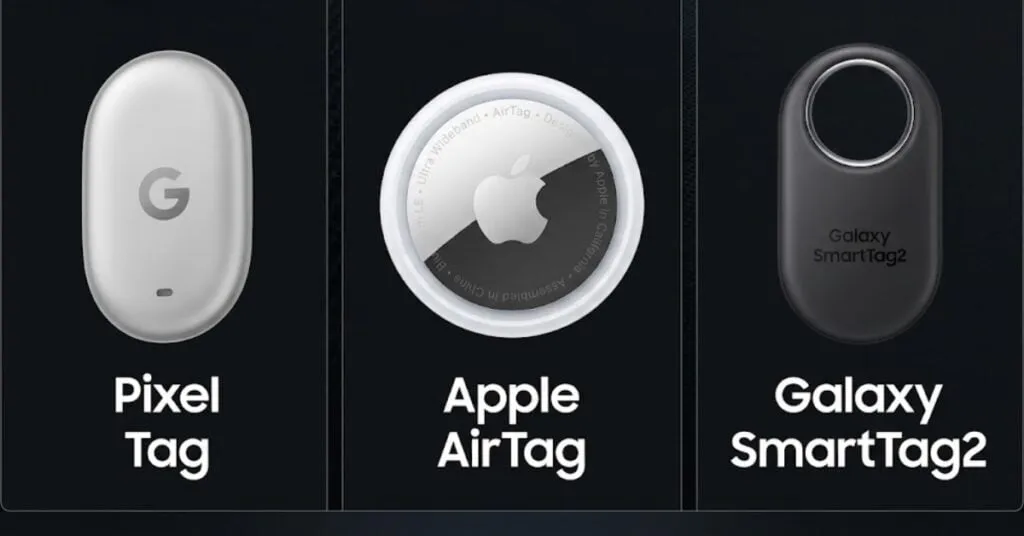
- Dimensions: ~46 x 28 x 5.4 mm
- Weight: Under 12 g
- Battery: Replaceable CR2032
- Water Resistance: IP67
- Battery Life: Google and Apple claim over a year, Samsung claims 500 days normal, 700 days power-saving
- Launch: Pixel Tag goes on sale November 11
- Price: $29 single, $99 four-pack
How They Find Your Stuff
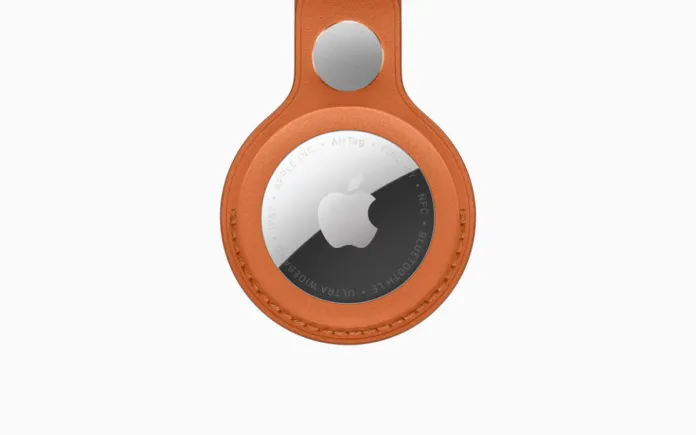
All three trackers rely on short-range connections and a crowd-sourced network for out-of-range recovery, but their approaches differ. AirTag uses Ultra Wideband for Precision Finding with a new UWB chip that Apple says extends usable range by 50 percent and a louder speaker for closer-range audio cues. AirTag uses Apple’s large Find My network for remote recovery.
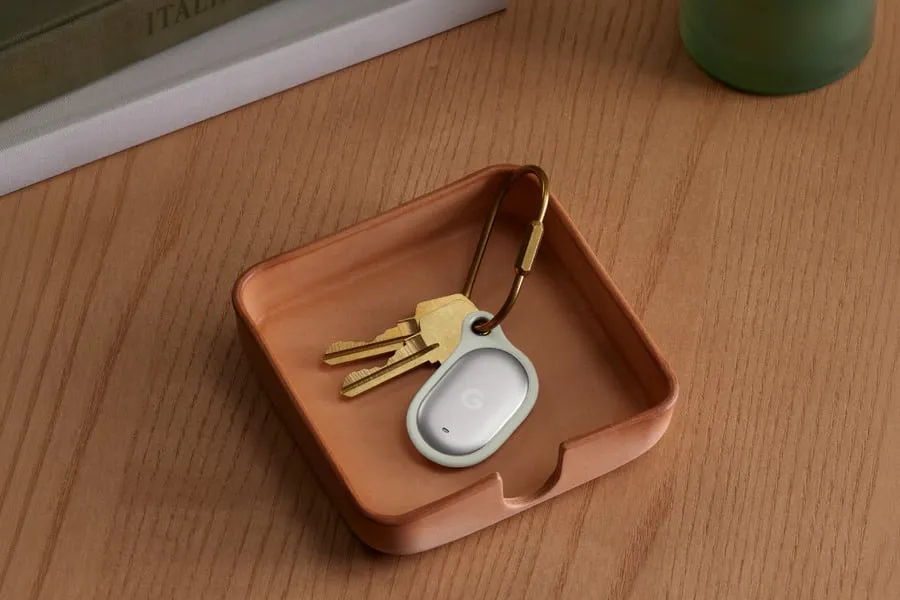
Pixel Tag supports UWB and Bluetooth Channel Sounding. Channel Sounding lets compatible Android phones measure distance without a UWB chip, but it needs Android 16 and Bluetooth 6.0 or later. UWB features require a phone with a UWB chip. When the tag is out of direct range it uses Google’s Find Hub network, which Google says taps into a huge Android device pool.
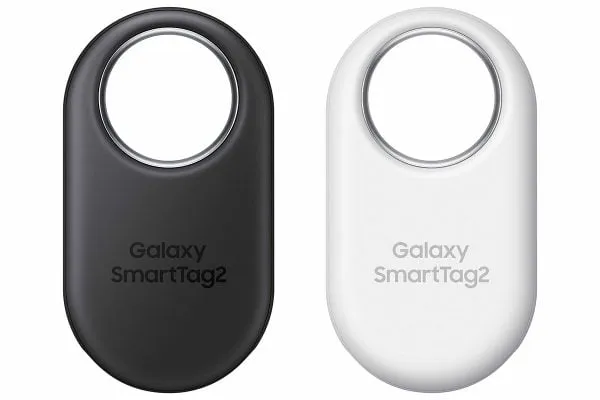
Samsung’s SmartTag2 pairs Bluetooth range claims of up to 120 meters under ideal conditions with optional UWB precision when used with a Galaxy phone that has a UWB chip. SmartTag2 links to Samsung’s SmartThings Find network, which is limited to Galaxy devices.
Usage Context and Tradeoffs
If you want the broadest compatibility across Android phones, Pixel Tag is the most flexible choice. It supports Android 9 and later for basic features, while the advanced precision features require newer Android 16 devices and recent Bluetooth standards. The main compromise is hardware dependence. UWB benefits are only available on phones with UWB chips, and the Pixel Tag lacks a key-loop so accessory purchases are likely.
For iPhone users the AirTag remains the easiest and most integrated option. For dedicated Galaxy owners who want long battery life and a built-in ring design, SmartTag2 fits better. In short, choose the tracker that matches your phone ecosystem rather than chasing features in isolation.
Competitor Analysis and Outlook
Compared side by side, AirTag excels at tight Apple integration and precision finding on iPhone, SmartTag2 offers strong battery claims and a keychain-friendly shape for Galaxy users, while Pixel Tag aims to bridge the Android gap with flexible pairing and two precision methods. Pixel Tag’s advantage is Google’s larger Android device pool for remote finding, but Samsung’s SmartThings and Apple’s Find My networks remain powerful within their own ecosystems.
Pixel Tag goes on sale November 11 and looks like a practical first-party option for Android users who wanted an AirTag-style experience natively inside Google’s ecosystem.
Source: Google | Gizmochina


