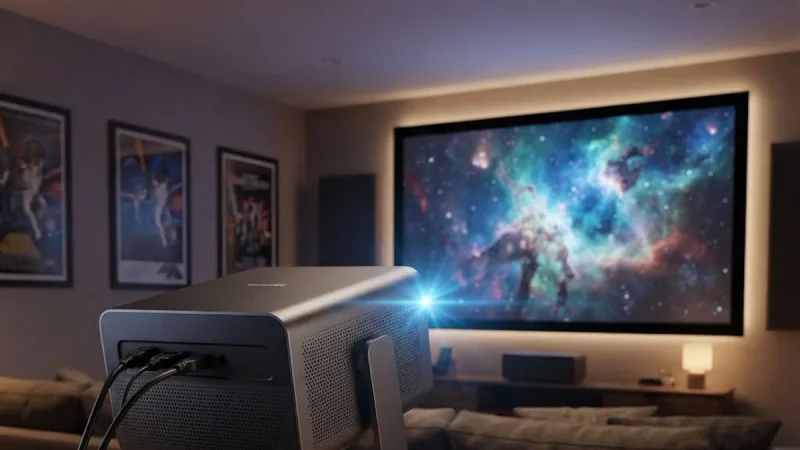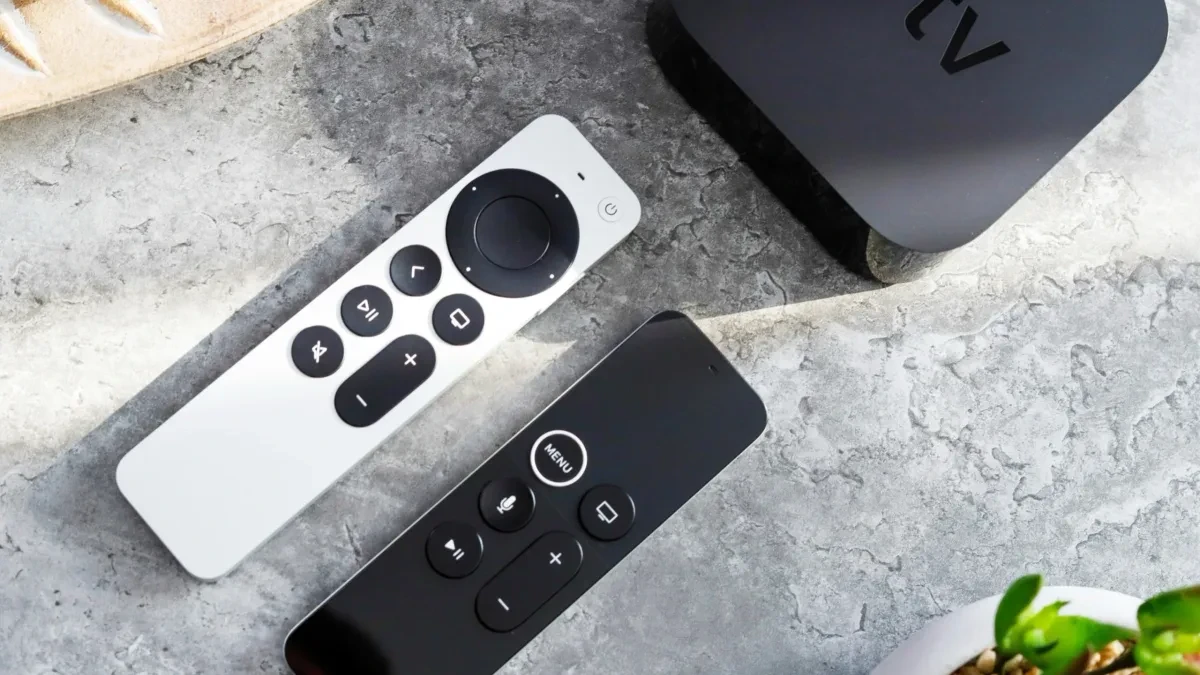
For decades, setting up a living room television has meant dealing with a frustrating mess: separate set-top boxes, dangling power bricks, and an endless juggling act between multiple remotes just to watch live channels. China is taking direct regulatory action to eliminate that friction entirely by mandating integrated smart TVs that bake set-top box capabilities directly into the television's built-in software.
Spearheaded by China's National Radio and Television Administration (NRTA) alongside the Ministry of Industry and Information Technology (MIIT), the initiative replaces dedicated streaming receivers with a unified software architecture. The shift aims to streamline how viewers access ultra-high-definition (UHD) live broadcasts, catch-up programming, and video-on-demand without requiring external dongles or separate operator hardware.
One Remote to Rule the Living Room
The core motivation behind the push is eliminating consumer friction. Over the last decade, smart TVs have become increasingly complicated, often requiring users to power on the display with one remote, switch HDMI inputs with another, and navigate complex subscriber portals on a third-party set-top box. Under the new technical standards, turning on an integrated television takes users straight to live broadcast content without extra boot times or input switching.
By migrating the decryption, channel tuning, and interactive services directly into the television's native operating system, users can control live broadcasts, time-shifted playback, and streaming platforms using a single remote control or native voice commands. Major telecommunications operators, including China Telecom, China Unicom, and China Mobile, have committed to pushing these integrated units directly to consumers, reducing the reliance on hardware rentals that typically cost between $30 and $100 per household.
A Phased Rollout Built Around Replacement Cycles
Moving an entire nation away from physical receivers presents technical hurdles, particularly for older hardware. Technical prototypes for integrated TVs completed testing in early 2025, followed by a dual approach in late 2025 that deployed tens of millions of ultra-compact mini set-top boxes alongside a pilot rollout of fully integrated televisions in low millions of homes. Following a formal national launch at the CCBN exhibition in April 2026, the broad commercial push is officially underway.
However, officials acknowledge that legacy televisions in tens of millions of living rooms lack the processing power or software support required for over-the-air firmware upgrades. Because of this, the government is framing the transition around regular consumer upgrade cycles. Rather than forcing immediate hardware retirements, integrated software will become standard across new television models, gradually replacing standalone boxes over China's typical five-year household technology refresh period.
Global Implications for TV Manufacturers
While the regulation is domestic, its impact will inevitably spill over into global electronics supply chains. Chinese display giants like Hisense, TCL, Xiaomi, and Skyworth manufacture a vast portion of the world's smart televisions and standalone streaming hardware. Standardizing integrated tuner software and single-remote designs for their home market will likely shape how these brands design hardware profiles and operating systems for international shipments.
As physical media drives and standalone streaming pucks give way to deeply integrated smart TV ecosystems, the era of the plastic cable box tucked under the media console is drawing to a quiet close. For consumers tired of living room cable clutter, that transition cannot come soon enough.